Pixel Logic Loops: Tracing Casual Gaming Influences on Algorithmic Thinking in Young Coders Across Developing Regions
Zoe Frank · Oct 17, 2026
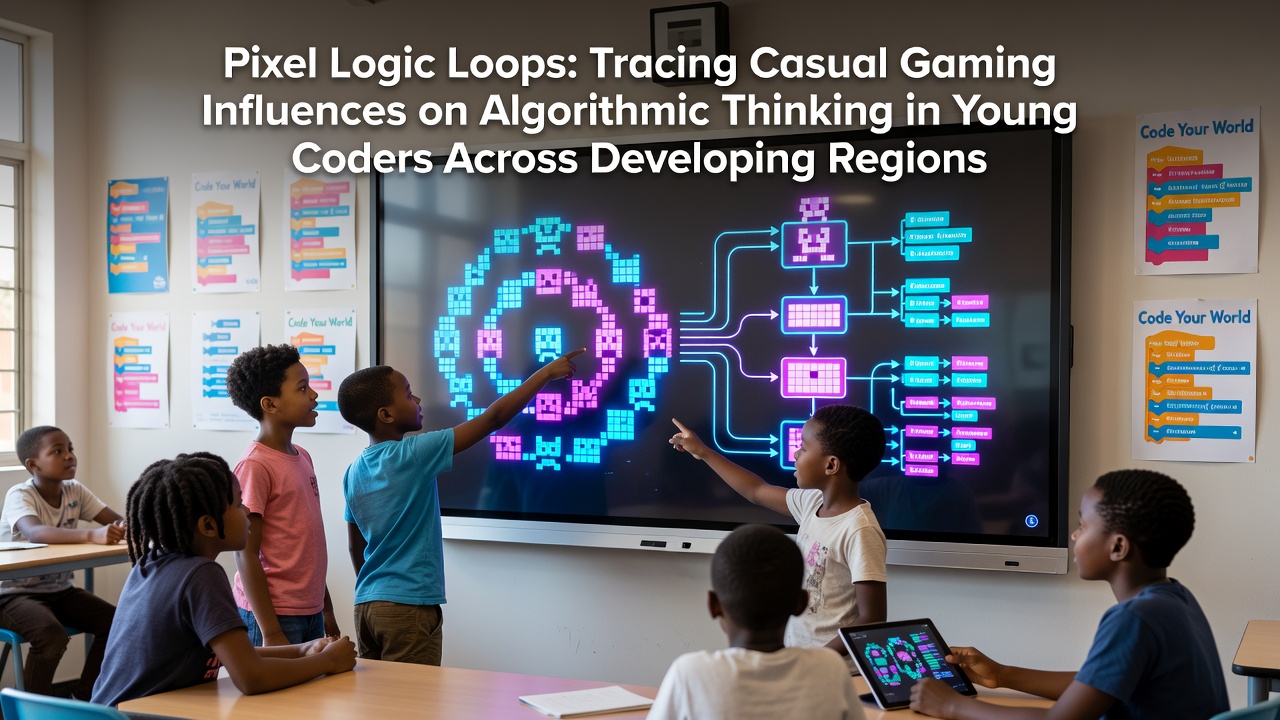
Pixel Logic Loops: Tracing Casual Gaming Influences on Algorithmic Thinking in Young Coders Across Developing Regions
Pixel logic loops appear in many casual games that run on low-bandwidth connections, and these loops require players to repeat sequences while adjusting variables such as speed or direction. Researchers tracking youth in sub-Saharan Africa and South Asia note that repeated exposure to such mechanics correlates with improved ability to recognize iterative patterns in code. Data collected through school-based surveys in 2025 adn early 2026 indicate that students who played these games for at least four hours per week scored higher on simple algorithmic tasks than peers with less exposure.
Game Mechanics and Cognitive Transfer
Loop structures in pixel games often present as repeating paths that players must optimize, while conditional branches force quick decisions based on changing obstacles. Observers note that these elements parallel for-loops and if-statements in introductory programming languages. Studies from regional technology centers show that young users who master level progression in these titles later demonstrate faster grasp of nested loops when introduced to block-based coding tools. The transfer occurs because the games reward efficiency, prompting players to internalize concepts of repetition and conditional logic without formal instruction.
Regional Patterns Observed in October 2026
Reports issued in October 2026 by education ministries in Kenya and Bangladesh documented rising participation in free browser-based pixel titles among students aged ten to sixteen. In these regions, mobile data costs remain low for short sessions, which encourages daily play during commutes or after school hours. Government statistics reveal that districts with higher game engagement also reported increased enrollment in after-school coding clubs, and teachers attribute part of this trend to familiarity gained through game loops. One program in Nairobi integrated pixel game examples into lesson plans, resulting in measurable gains on pre- and post-tests covering sequence repetition.
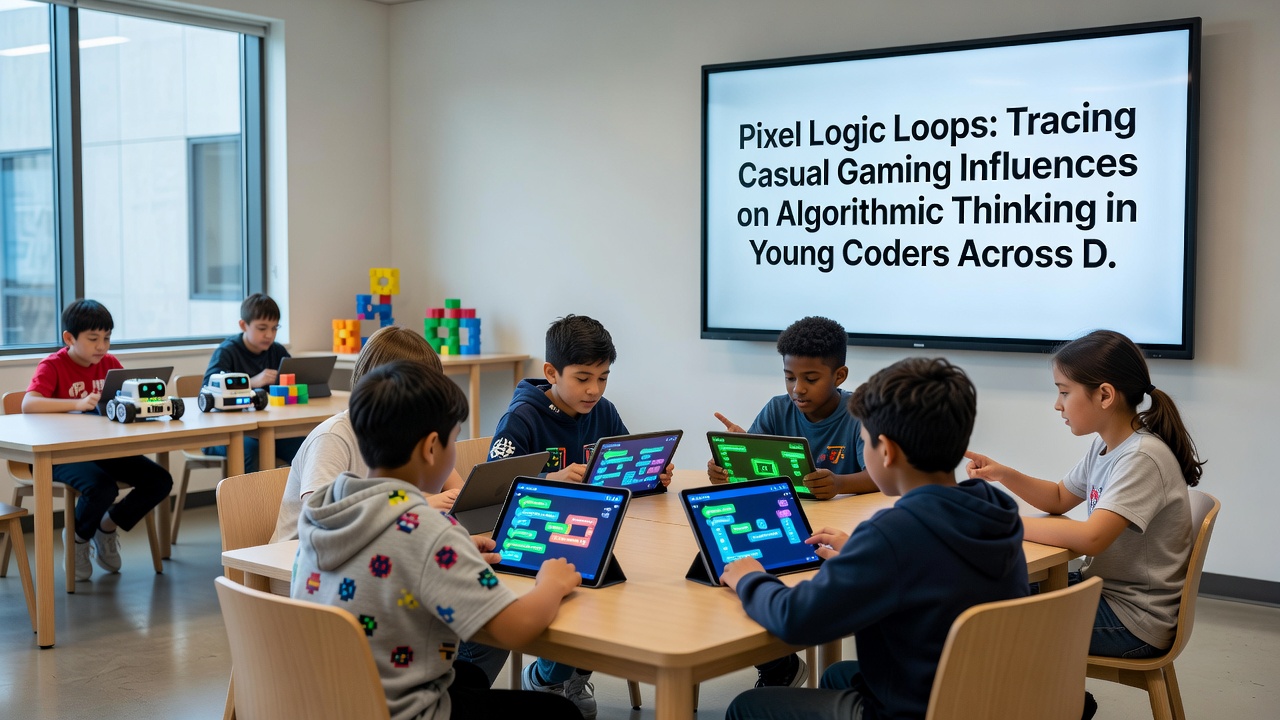
Similar observations emerged from Latin American pilot sites where community centers supplied tablets loaded with offline-compatible logic games. Participants who advanced through multiple levels showed improved performance when later asked to debug simple scripts that contained repeated operations. The pattern holds across varied cultural contexts because the underlying mechanics remain consistent regardless of narrative themes or visual styles.
Supporting Infrastructure and Access Trends
Access to these games depends on lightweight HTML5 implementations that function on older smartphones, and this technical compatibility expands reach in areas where newer devices remain scarce. Industry reports from the World Bank track how declining smartphone prices and expanding 4G coverage have coincided with higher download rates for casual titles. Educational organizations note that once students encounter loop-based challenges in games, they often seek out tutorials or peer discussions that extend the same concepts into actual coding environments.
Community-led initiatives in rural India have begun mapping popular game levels to specific programming exercises, creating shared resources that teachers adapt for local classrooms. These mappings highlight direct correspondences between game obstacles and code debugging steps, which helps learners see algorithmic thinking as an extension of activities they already enjoy.
Measurement Approaches and Ongoing Data Collection
Researchers employ pre-test and post-test designs alongside gameplay analytics to quantify influence, and longitudinal tracking in selected districts continues through 2027. Metrics include time required to complete loop-related coding tasks and error rates in sequence construction. Preliminary figures released in October 2026 suggest positive correlations, though researchers emphasize the need for controlled studies that isolate gaming effects from other variables such as school resources or teacher training. Partnerships with universities in multiple countries facilitate standardized assessment protocols that allow cross-regional comparisons.
Future Monitoring and Resource Allocation
Policy documents from ministries of education in several developing nations now reference casual gaming exposure when planning digital literacy programs. Funding decisions increasingly consider the availability of devices capable of running pixel logic titles, while curriculum developers explore ways to incorporate game-derived examples without requiring additional hardware. Continued observation will determine whether these influences scale as more regions gain reliable connectivity and as new titles introduce increasingly complex loop variations.
Conclusion
Pixel logic loops embedded in accessible casual games provide repeated practice with repetition and conditional structures that appear in foundational coding tasks. Evidence gathered across developing regions through 2026 shows measurable associations between gameplay frequency and performance on algorithmic exercises, while infrastructure improvements continue to broaden participation. Ongoing studies will clarify the strength and durability of these connections as educational systems adapt to observed patterns.