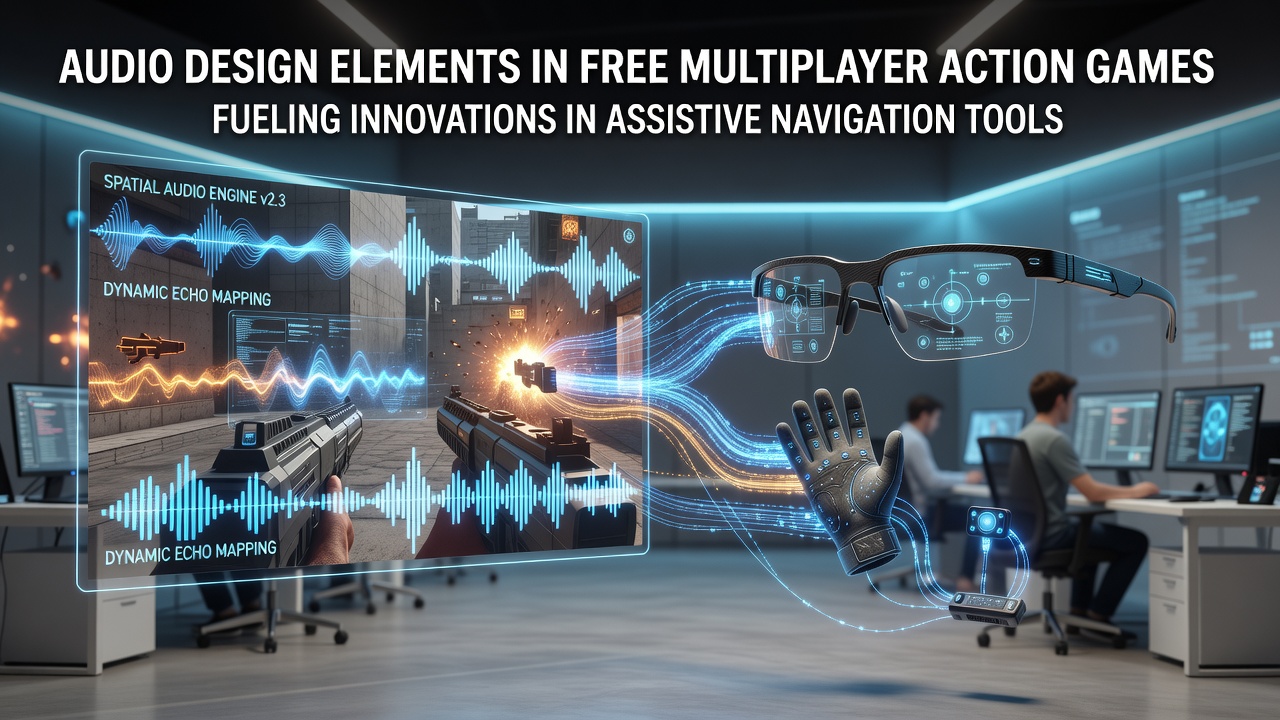
Free multiplayer action games rely on layered audio systems that deliver positional feedback, environmental alerts, and team coordination signals without requiring visual …
Stories and Guides
Expert insights on slots, table games, and responsible play.
Latest Publications
53 Articles
HTML5 arcade formats introduced real-time canvas rendering and synchronized player inputs that later appeared in crowd-sourced mapping platforms used by urban planners, and these …
Pixel logic loops appear in many casual games that run on low-bandwidth connections, and these loops require players to repeat sequences while adjusting variables such as speed or …
Multiplayer puzzle games have expanded beyond entertainment into structured training environments where participants develop fine motor control and spatial reasoning that transfer …
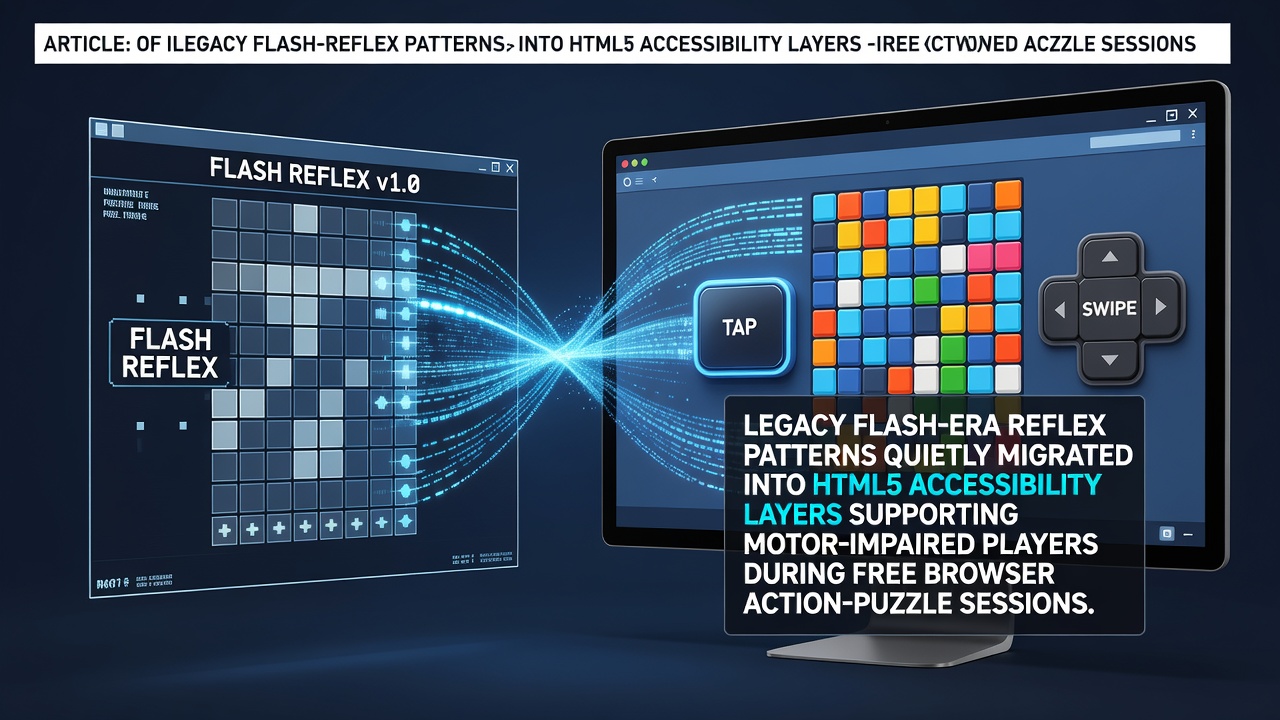
Flash-era browser games from the early 2000s relied on rapid mouse clicks, timed key presses, and precise cursor movements to drive reflex-based action-puzzle mechanics, and those …
Early HTML5 action formats imposed strict limits on JavaScript execution speed, memory allocation, and network latency during real-time interactions, and these same boundaries have …